Mini Implants

Mini implants for overdenture support

The mini implants Mini implants (small implants) represent an innovative and increasingly popular option in dentistry for stabilizing overdentures.overdentures, especially in the lower jaw. They offer a minimally invasive and often more cost-effective solution for individuals experiencing instability with traditional dentures. 

What are Mini Implants; 

The mini implants are smaller versions of conventional dental implants. They are characterized by: 
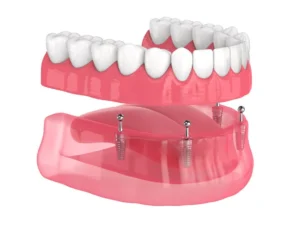
  • Smaller diameter: They typically have a diameter of less than 3 millimeters, compared to conventional implants which have a diameter of 3.5 millimeters or more. 
  • Shorter length: They may have a shorter length, depending on the patient's needs and the available bone volume. 
  • One-piece design: They often consist of a single piece (without a separate abutment). 
  • Special retention head: They feature a specially designed head that allows secure retention of the denture using special mechanisms (e.g. o-ring) oring, μπίλιες). 
Dentic mini implant

Why Are Mini Implants Used Mini Implants for Overdentures? 

The main reason for using mini implants mini implants is the improvement of the stability and retention of full dentures, especially in the lower jaw where retention with traditional methods can be more challenging. This is achieved by placing a small number of mini implants implants into the jawbone and attaching the denture to them using special retention mechanisms. 

Advantages of Mini Implants for Overdentures: 

  • Ελάχιστα επεμβατική διαδικασία: Η τοποθέτηση των mini implants είναι συνήθως λιγότερο επεμβατική και απαιτεί μικρότερες τομές σε σύγκριση με τα συμβατικά εμφυτεύματα. 
  • Faster procedure: Placement can be quicker and is often completed in a single appointment. 
  • Less pain and discomfort: Postoperative discomfort is often minimal. 
  • Reduced need for bone grafting: In some cases, they can be placed in areas with less bone. 
  • More cost-effective solution: The overall cost may be lower compared to the use of conventional implants. 
  • Improved stability and self-confidence: Stabilizing the denture significantly improves the patient’s ability to chew, speak, and boosts their self-confidence. 

Placement Procedure: 

The placement procedure of mini implants for overdentures typically involves the following steps: 

  1. 1.Evaluation: The dentist evaluates the patient’s oral condition and the amount of available bone. 
  2. 2. Planning: The number and position of the mini implants determining where the implants will be placed (usually 2–6 in the lower jaw and 4–6 in the upper jaw). 
  3. Placement: The mini implants They are inserted directly into the bone through a small opening, without the need for extensive surgical incision. 
  4. Attachment to the denture: Special retention mechanisms (e.g., oring) are integrated into the denture and snap onto the heads of the mini implants. mini implants. 

Do you need help?

Schedule your first appointment today and begin your journey toward a healthier smile!
Contact us now!