

Surgical extraction of an impacted wisdom tooth is a common dental procedure involving the removal of the third molar (wisdom tooth) that has not fully or partially erupted through the gums. This procedure is often deemed necessary to prevent or address various problems that may arise from the presence of these impacted teeth.
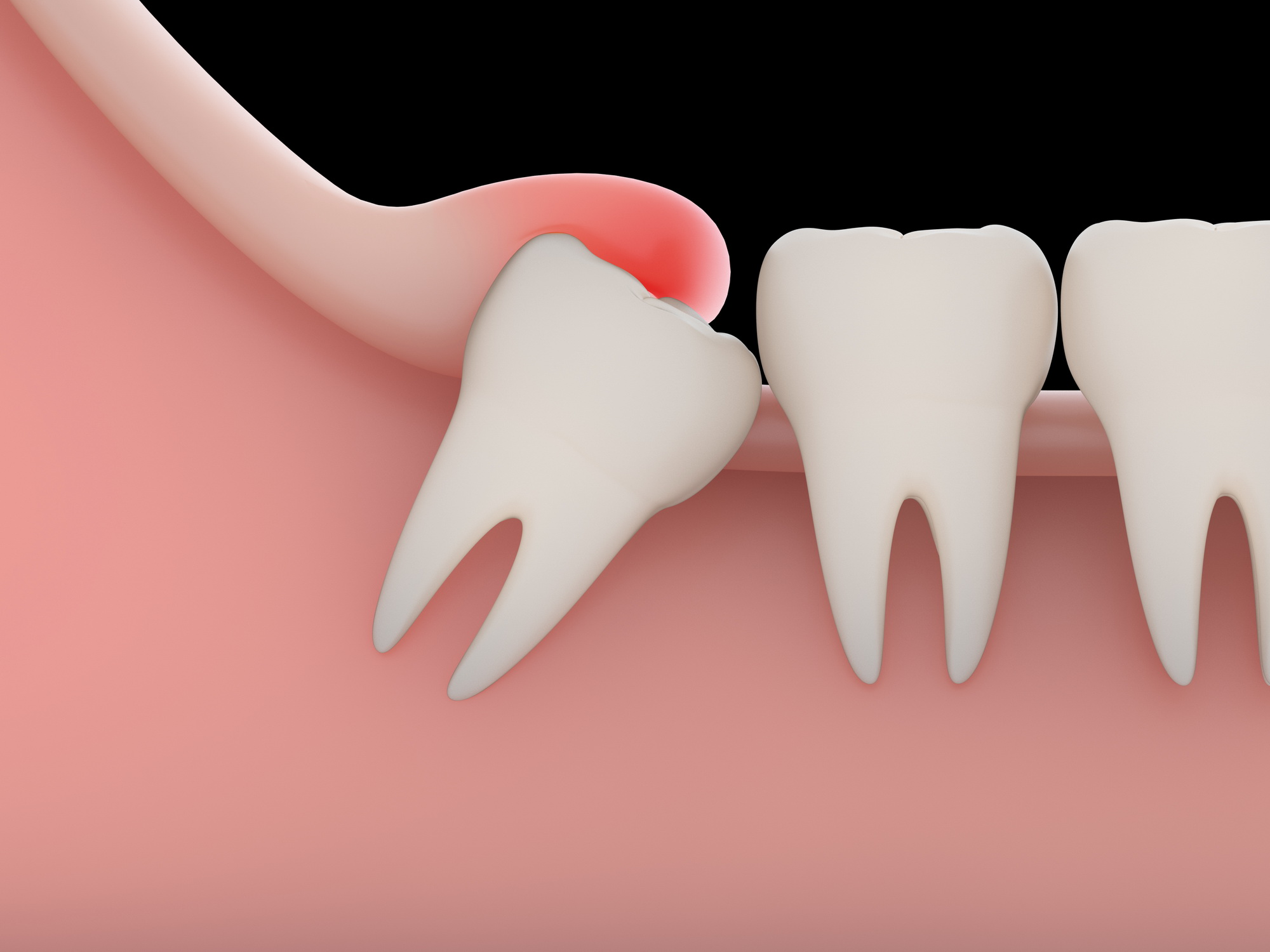
What Is an Impacted Wisdom Tooth?
An impacted wisdom tooth is a third molar that does not have enough space at the back of the mouth to erupt properly. It may remain completely beneath the gums or partially erupt, leading to a range of potential problems.
There are several reasons why a dentist may recommend the surgical extraction of an impacted wisdom tooth:
The Procedure for Surgical Extraction of an Impacted Wisdom Tooth:
The surgical extraction of an impacted wisdom tooth is a more complex procedure than a simple extraction. It typically involves the following steps:
After the Surgical Extraction:
The patient will receive post-operative care instructions, which may include:
Possible Complications:
Complications are rare but may include:
Recovery time varies depending on the complexity of the extraction and your individual healing ability. Generally, most people start feeling better and can return to normal activities within 2–3 days. However, it may take a few weeks for the area to fully heal. It is important to follow your dentist's instructions for wound care, such as taking prescribed medications, avoiding hard foods, and maintaining proper oral hygiene.
The best time to remove wisdom teeth is usually during adolescence or early adulthood (ages 17–25). At this stage, the roots of the wisdom teeth are not fully developed, making the extraction easier and potentially leading to faster recovery. However, removal can be done at any age if there is a medical indication. Your dentist will assess the condition of your wisdom teeth and recommend the appropriate time for extraction.
Schedule your first appointment today and begin your journey toward a healthier smile!
Contact us now!

Copyright © 2025 All Rights Reserved.