Periodontal Illness

Treatment of Periodontal illness: Combination of Periodontal Cleanings and Splints

The treatment of periodontal conditions often involves a combination of various interventions, with two of the most common being: periodontal cleanings and the use of splintsThese treatments aim to address and manage inflammation and issues affecting the gums and the supporting structures of the teeth.
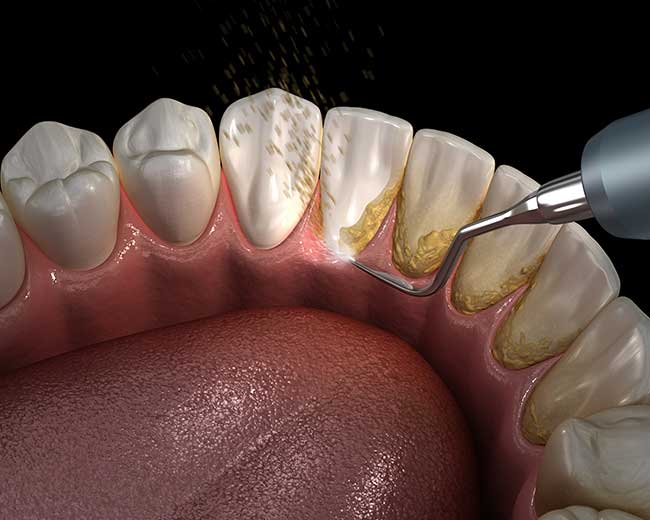
  1. Periodontal Cleanings Cleanings):

Periodontal cleanings are the primary and most common form of treatment for periodontal diseases. Their goal is to remove dental plaque and tartar (calculus) that accumulate on the teeth and beneath the gums. This buildup is the main cause of periodontal inflammation. Periodontal cleanings include:

  • Supragingival scaling Scaling): Removal of tartar located above the gum line.
  • Subgingival scaling Scaling): Removal of tartar located below the gum line, on the root surfaces of the teeth. This procedure can be more detailed and may require specialized instruments.
  • Root planing planning): Smoothing of the root surfaces to remove infected tissue and even out the surfaces, facilitating the reattachment of the gums and making it more difficult for plaque to accumulate again.

The frequency of periodontal cleanings depends on the severity of the periodontal disease and the individual predisposition of the patient. In some cases, more frequent cleanings (e.g., every 3 or 4 months) may be required to maintain gum health.

  1. Splints):

    Splints are devices used in periodontology to support and stabilize loose teeth that have been affected by periodontal disease. Splints can be:

    • Temporary: Used to provide immediate stability and relieve discomfort.
    • Permanent: They are designed for long-term use, typically made from metal materials or composite resins, and connect multiple teeth together to increase their stability.

    Splints can help with:

      • Reducing tooth mobility: By stabilizing loose teeth, splints prevent further bone loss and the worsening of the condition.
      • Improving chewing function: Stabilized teeth allow for more effective chewing.
      • Reducing discomfort: Loose teeth can cause pain and discomfort, which splints can help alleviate.


  2. 3. Periodontal Mouthguards:

Mouthguards worn during sleep with periodontal gels.


When are periodontal cleanings and splints combined?

This combination of treatments is often applied in cases of moderate to advanced periodontitis, where there is significant bone loss and the teeth have begun to loosen. Periodontal cleanings aim to address active inflammation and eliminate the cause of the disease, while splints provide the mechanical support needed for weakened teeth.

Key points:

  • Treatment with periodontal cleanings and splints is part of a broader treatment plan developed by the periodontist or dentist.
  • The effectiveness of the treatment depends on the patient’s adherence to oral hygiene instructions and regular follow-up with the dentist.
  • In some cases, additional treatments may be required, such as surgical procedures (e.g., flap surgery, bone grafting) for the complete restoration of periodontal tissue health.

Do you need help?

Schedule your first appointment today and begin your journey toward a healthier smile!
Contact us now!