Complete Denture

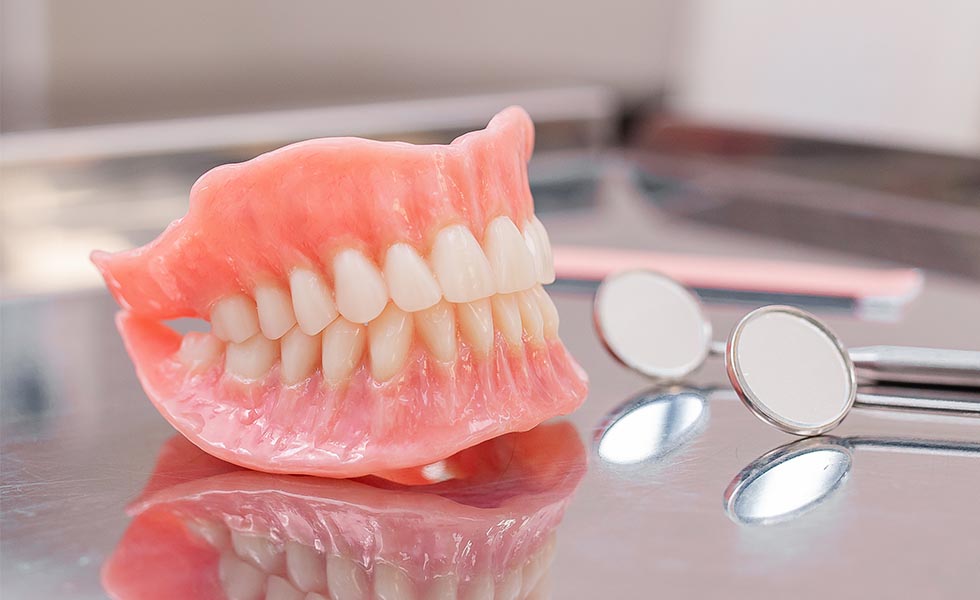
A full denture (Complete Denture) is a removable dental appliance designed to replace all natural teeth in a dental arch (either upper or lower). It's a common and effective solution for individuals who have lost all their teeth due to various reasons (e.g., decay, periodontal disease, accidents). 
Why is a Full Denture Needed? 

The complete loss of teeth can lead to significant difficulties and impacts on daily life, such as: 

  • Difficulty with chewing: The inability to chew affects nutrition and the intake of essential nutrients. 
  • Speech problems: The absence of teeth can affect speech clarity. 
  • Aesthetic problems: The loss of teeth can cause changes in facial shape, leading to an "aged" appearance and affecting self-confidence. 
  • Bone loss: Over time, the absence of teeth can lead to bone loss in the jaw areas. 

A full denture restores chewing function, improves speech, and re-establishes the aesthetics of your smile, significantly enhancing an individual's quality of life. 

Fabrication and Placement of a Full Denture: 

The process of fabricating and placing a full denture typically involves the following steps: 

  1. Examination and Impressions: The dentist will examine the condition of your gums and jaws and then take initial impressions. 
  2. Recording Jaw Relations: The relationship between the jaws (e.g., the position of the lower jaw relative to the upper) will be recorded to ensure proper bite (occlusion). 
  3. Try-in: Trial dentures with artificial teeth will be tested to check for aesthetics, proper fit, and function. 
  4. Final Fabrication: The denture is constructed from acrylic material (pink to mimic the gums), and the artificial teeth are usually made from acrylic or porcelain. 
  5. Placement and Adjustment: The final denture is placed in the mouth, and necessary adjustments are made to ensure a comfortable fit and proper function. 
  6. Instructions for Use and Care: The dentist will provide instructions for the proper use, cleaning, and care of the denture. 

Types of Full Dentures: 

  • Traditional full dentures: They are fabricated and placed after the gums have healed following tooth extractions. 
  • Immediate full dentures: They are fabricated before tooth extraction and placed immediately afterward. These offer immediate aesthetics, but may require adjustments as the gums heal and shrink. 
  • Implant-supported dentures (Implantsupported dentures): These dentures are supported by dental implants that have been placed in the jawbone, offering greater stability and retention. 

Advantages of Full Dentures: 

  • Restoration of Chewing and Speech They allow for the consumption of various foods and proper articulation. 
  • Improved Aesthetics They restore the appearance of your smile and face. 
  • Easy removal for cleaning: They can be easily removed for cleaning and maintenance. 
  • Relatively economical solution: Compared to other more complex restorations, they can be more financially accessible/affordable.  

Care and Maintenance of Full Dentures:

Proper care is essential for maintaining the health of your gums and denture: 

The denture must be thoroughly cleaned every day. 

Your gums and tongue should be gently cleaned.

  • The denture should be stored in water or a special solution when not in use to prevent it from drying out. 

It's important to visit your dentist regularly for check-ups and adjustments. 

Do you need help?

Schedule your first appointment today and begin your journey toward a healthier smile!
Contact us now!